
BDSM, which stands for bondage and discipline, dominance and submission, sadism and masochism, covers a wide range of activities and relationship dynamics. Today, the options for exploring BDSM are broader than ever, with both physical (in-person) and virtual (online, remote, or tech-assisted) experiences available. I get a lot of questions about how these two approaches differ, how they feel, and what’s good or challenging about each style. So I put together this guide to help you understand the differences between physical vs virtual BDSM experiences and to offer some tips on how to approach each safely and enjoyably.
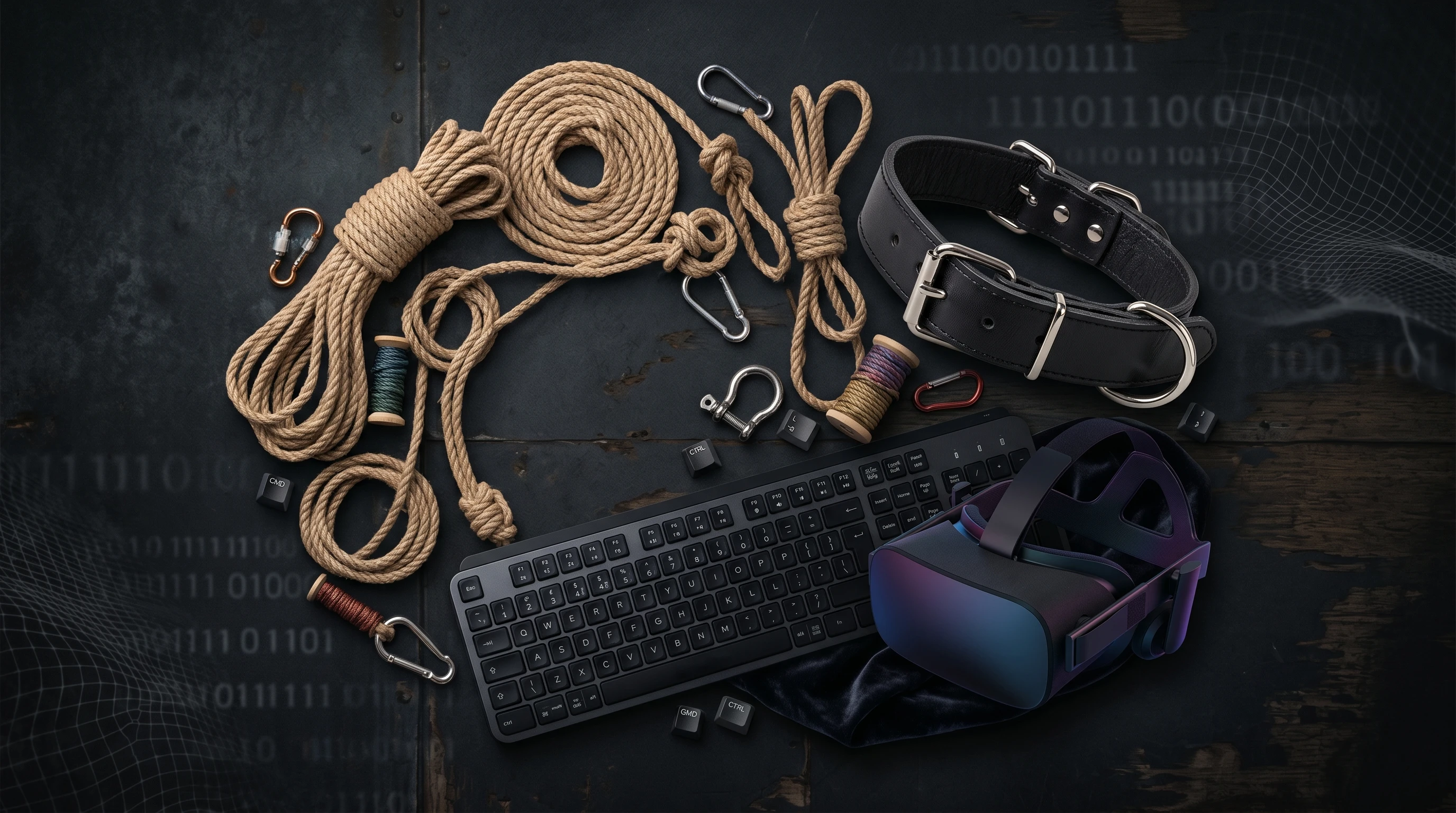
Understanding Physical vs. Virtual BDSM
Physical BDSM means taking part with a partner face to face, where you can see, touch, and interact with each other in shared physical space. Activities might include bondage, impact play, sensation play, role play, consensual power exchange, and more. You get immediate feedback from your partner’s body language, nonverbal cues, and reactions, all happening in real time.
Virtual BDSM includes everything from sexting and erotic chat to cam play, phone domination, or even putting remote-controlled toys over the internet to work. Even though you’re not in the same room, and sometimes not even in the same country, these experiences can create strong feelings of connection, control, or submission. Many couples and communities have leaned into virtual kink, especially as online technology and privacy options become more accessible and reliable.
How Physical and Virtual BDSM Feel Different
Physical and virtual BDSM experiences offer unique feelings, risks, and rewards. Here’s a closer look at how they compare:
- Intensity of Sensation: In a physical setting, touch, temperature, sound, and pain or pleasure are all immediate and real. These sensations might be the whole reason someone explores BDSM in person. Virtual play, in contrast, relies heavily on anticipation, imagination, and psychological stimulation, which can be powerful but won’t offer that same physical rush.
- Reading Cues: Sharing the same space makes it much easier to spot your partner’s tone, gestures, and comfort level. Online, you need to watch for verbal cues and use safewords and signals, since you can’t always see your partner’s expressions or hear their instant reactions.
- Vulnerability and Comfort: Many people feel safer checking out new fantasies virtually since there’s a physical buffer between them and the other person. Virtual sessions can ease awkwardness, give people a sense of control, or help them slip into a headspace more easily. Physical play, meanwhile, might come with more anxiety at first but often builds trust and intimacy quickly once everyone feels comfortable.
Key Tools and Tech for Each Style
 Both physical and virtual BDSM scenes rely on certain gear or technology to make things run smoothly and satisfyingly.
- Physical Play Essentials: Rope, restraints, leather gear, paddles, floggers, blindfolds, and other tactile equipment. Aftercare supplies like blankets or lotion can help soothe the skin and mind after intense scenes.
- Virtual Play Tools: Messaging apps, webcams, microphones, private chat groups (such as Discord or FetLife), and wearable remote-controlled toys (Lovense and WeVibe both offer options that sync with smartphones). Some people even use custom apps or VR to make the experience even more immersive.
Having the right gear, whether it’s a sturdy pair of cuffs or a secure chat app, gives a boost to your sense of safety and helps create a smoother, more immersive scene on either side of the screen.
Communication and Consent
Open, straightforward communication is really important in both physical and virtual BDSM situations, but the type of communication can differ.
In person, you might use nonverbal cues like “green/yellow/red” cards, squeezing a hand, or tapping out, along with clearly talked out boundaries. There’s room for real time corrections, like backing off, slowing down, or changing intensity based on everyone’s mood. Aftercare can involve hands-on comfort such as cuddles, snacks, or physical reassurance.
With virtual play, consent and boundaries need to be very clear in writing before getting started. Safewords, “safe phrases,” emoji codes, or custom gestures help partners check in and pause the scene if needed. Aftercare might look like follow-up messages, a video call, or sending a playlist or favorite meme afterward as a digital checkin.
Common Challenges in Physical and Virtual BDSM
- Privacy and Discretion: In-person scenes can bring worries about noise, marks on the skin, or being caught. Virtual scenes require strong digital privacy practices (encryption, secure platforms, camera/recording consent) and awareness that online interactions might be permanent or unintentionally shared.
- Technical Issues: Laggy connections, app glitches, or device incompatibility can really throw off a remote scene. It’s smart to do a test run, keep a backup way to communicate ready, and make sure both partners feel comfortable with the tech ahead of time.
- Safety Concerns: In a shared physical space, risks like bruising, rope injury, or emotional fallout need immediate attention. Virtually, emotional distress or misunderstandings might stick around longer, since comfort and aftercare only happen at a distance.
Tips for Getting the Most Out of Each Experience
Here are a few practical tips based on experience and conversations with others in the kink community:
- For Physical Play:
-
- Start slow, use lots of check-ins, and don’t be afraid to renegotiate the scene at any point.
- Have all supplies ready, including aftercare items, and keep a first aid kit close by for anything with restraint or impact.
- Try joining a local munch or skills class. Watching real scenes (with permission) is a great way to pick up practical safety tips.
- For Virtual Play:
-
- Choose platforms and apps with solid privacy features; avoid sharing any identifying images unless you really trust your partner.
- Create a written contract or play agreement, especially for ongoing online relationships.
- Be patient if tech messes up. Sometimes, a tech hiccup can become a playful moment in the scene, or spark some teasing fun.
- Try scheduling dedicated aftercare time after play, even if it’s just a phone call or trading comforting messages.
Ways the Community Approaches Each Style

Over the past decade, the virtual BDSM community has grown fast, especially during times when meeting up is tough (like during the pandemic). There are now huge online kink communities on Reddit, specialized dating apps, Discord servers, and more. These places are filled with tips, educational resources, and people open to exploring in both safe and supportive ways.
Physical communities still thrive in cities with vibrant kink cultures. Dungeons, play parties, workshops, and support groups all offer great chances to pick up skills, find mentors, or get involved at your own pace. Feeling things out in both physical and digital spaces helps many folks settle into what works best for them—sometimes it’s a mix of both worlds.
Frequently Asked Questions
Here are a few questions that come up all the time about physical and virtual BDSM:
Question: Can you have a “real” BDSM relationship if it’s only online?
Answer: Absolutely. Connection, trust, and power exchange don’t require being in the same place. Plenty of people find real satisfaction, growth, or companionship through virtual kink relationships, as long as honesty and communication stay front and center.
Question: Is virtual BDSM safer than physical play?
Answer: Virtual play avoids some physical risks like bruises or injury from toys but brings its own concerns, mainly about privacy and emotional safety. Protect your digital identity and always talk through boundaries in detail before you get into things.
Question: What’s the best way to go from virtual to physical BDSM?
Answer: Take things slowly—it’s wise to start by meeting in a public space and to go over boundaries again in person. Any consent discussions from online should be revisited before you try hands-on play. Building trust is key whether you’re mixing things up from virtual to physical, or the other way around.
Exploring What Works for You
There isn’t a right or wrong way to enjoy BDSM; what matters is that the experience feels good, is consensual, and is safe for everyone. Some people stick with virtual play and love it, while others live for real-world sensations. Many folks enjoy blending both, moving between screens and physical places as life goes on.
Taking the time to figure out your own comfort level, talking openly, and always learning as you go makes for a fulfilling ride, whether it’s online, offline, or somewhere in between. Ultimately, BDSM can be as flexible and creative as you want it to be.
The magic of freedom lies in the lifestyle of BDSM. As a Domme, I have more experience in physical settings and I enjoy exploring numerous options online using different platforms. Virtual fun using my WeVibe toys have become my favorite way to play with subs. Which BDSM style do you prefer, physical, virtual, or a mixture of both? Feel free to use an avatar and leave a comment below.