Online etiquette is really about respect. The internet brings people together from different backgrounds, cultures, and mindsets, but it also opens the door to bad habits if you’re not careful. As much as I love tapping into power and discipline on My own terms, I expect those around me to understand respect is never an option. It’s a must. Every space you enter, whether a group chat, forum, email thread, or social platform, deserves attention to how you act. I’m laying out My view on practical online etiquette basics, so you don’t embarrass yourself or upset the people you interact with, especially those who deserve your best behavior.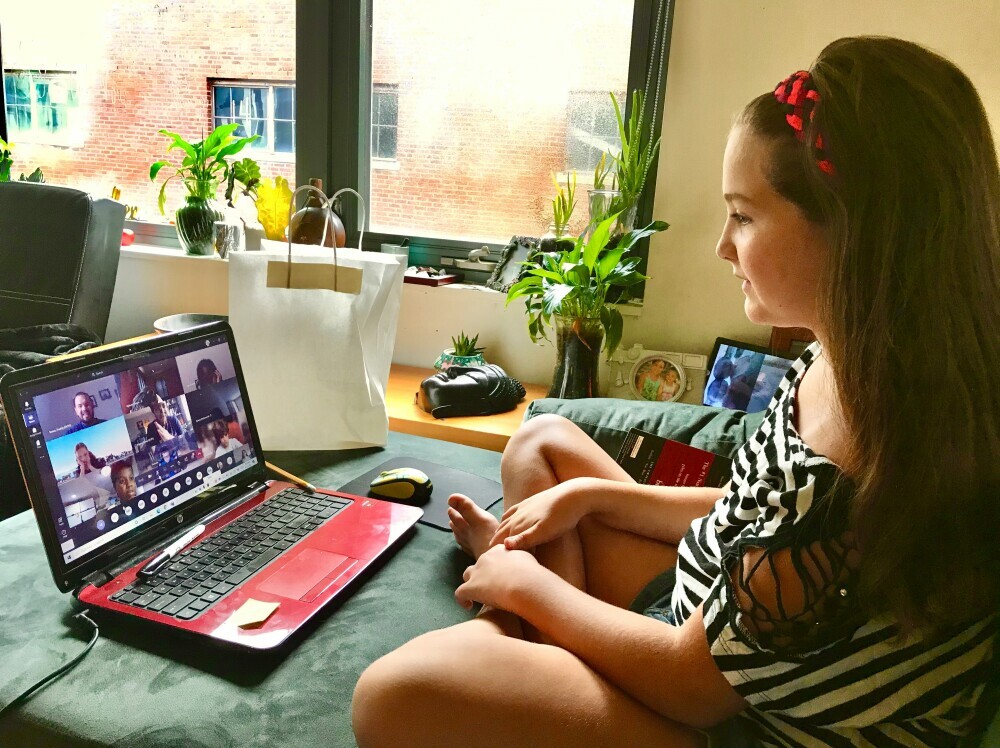
What is Online Etiquette and Why Does It Matter?
Online etiquette, also called netiquette, is really just a fancy way to describe the rules for behaving properly on the internet. It’s not that different from showing good manners at a dinner party. You wouldn’t jump onto someone’s table, shout over them, or track mud onto the carpet. When you bring those same standards to digital spaces, things run smoothly, and everyone feels welcome. Disrespect, trolling, or spamming gets you kicked out or ignored, and that’s the last thing you want if you aim to serve or impress.
The basics of online etiquette are simple: treat people with respect, think before you act, don’t overshare, and remember there are real humans on the other side of the screen. Ignorant behavior leaves a mark—sometimes permanently, especially with screenshots and chat logs. Whether you’re entering a chatroom for the first time or writing an email to someone like Me, discipline in your interactions goes a long way.
6 Core Rules Every Beginner Needs to Know
Most mistakes I see online are pretty avoidable. Here’s a checklist to keep you in check as you move through online spaces:
- Be Polite Always: Simple “please,” “thank you,” and “excuse me” work wonders in chats, emails, and forums.
- Think Before You Post: If you wouldn’t say it to someone’s face, especially Mine, don’t put it out in the open.
- Keep Private Matters Private: Sharing personal info like passwords, private photos, or even drama is a bad move.
- Don’t Spam: Repeatedly posting the same thing or sending mass messages is annoying and often gets you banned.
- Respect Boundaries: Know the rules of each space you join. Some rooms are for casual chats; others are strict and expect you to behave.
- Use Clear Language: Text can be misunderstood. Go for simple, straightforward messages and avoid sarcasm unless you know your audience well.
How to Make a Good Impression in Different Online Spaces

Online etiquette isn’t one-size-fits-all. Different places have their own rules and vibes. Here’s what works for the main spots you’ll visit:
- Emails: Use a clear subject line, address the person respectfully, and avoid emojis or slang unless you know them well. Check for typos—I notice!
- Social Media: Avoid arguing in public. Private disagreements should stay private. Give credit when you share art, photos, or ideas that aren’t yours. Tag people only if it’s relevant.
- Group Chats: Read the mood before jumping in. Nobody likes a newbie barging in and making demands. Lurk for a bit and see how people talk.
- Forums: Search before you post a question. The answer is probably already there. Stick to the topic. Off-topic chatter belongs elsewhere.
- Livestreams or Video Calls: Mute yourself when not speaking, and respect others’ time. Don’t drag things out or interrupt.
Challenges Newcomers Face and How to Handle Them
Online missteps are pretty common if you’re new or just eager to get started. Here are the classic mistakes I see, and how I expect them corrected:
- Over-posting: Being too chatty or posting every thought is messy. Stay disciplined. Less is usually better unless you’re told otherwise.
- Misreading Tone: Jokes and sarcasm don’t always land via text. If someone seems offended, clarify your point and, if needed, apologize quickly. Discipline means owning up fast.
- Responding Too Quickly: Quickfire replies can get out of hand, especially during drama. Slow down, think through what you’re about to say, and don’t let emotions run wild.
- Ignoring Community Rules: Every group has rules. Read them first; show everyone you respect the space you’ve entered. If you’re lazy here, don’t be surprised when consequences are dished out.
Over-posting
There’s nothing more annoying than someone desperate for attention, flooding chats or forums with message after message. Not only does it get you ignored or blocked, but it signals impatience and neediness, qualities I love to stamp out. Take a deep breath. Make every message meaningful, and let others contribute too.
Misreading Tone
Online messages have no facial expressions or gestures, so be careful. If your joke misses the mark or someone seems upset, don’t double down. Clarify your intent or issue a short, simple apology. Sharp correction is a lot better than a long, drawn-out mess.
Responding Too Quickly
In heated moments, it’s tempting to jump in right away. The disciplined choice is to pause, read things over again, and type a clear, measured response. Losing control doesn’t impress anyone, least of all Me.
Ignoring Community Rules
The fastest way to end up on the receiving end of enforcement is skipping past the group’s guidelines. Most communities pin their rules at the top or mention what’s expected in the welcome message. If you miss this, it’s nobody’s fault but your own.
5 Clever Tips To Strengthen Your Online Reputation

Every action online builds a record of your behavior. Whether you want acceptance in a group, to find favor with someone powerful, or simply to avoid trouble, these strategies help you appear polished and trustworthy:
- Observe First: Before speaking up, take time to see how people interact. You’ll pick up on unspoken expectations and power dynamics fast.
- Support Others: Like and share content that deserves recognition. Encourage newcomers and be generous with useful advice.
- Apologize Without Excuses: If you mess up, a short, honest apology works. Excuses are a waste of time and respect.
- Keep Private Disagreements Private: Airing dirty laundry in front of others erodes trust. Message privately if you need to work out an issue.
- Protect Your Privacy: Secure your accounts, guard personal information, and respect confidentiality, especially if you’re privileged enough to serve in more intimate circles.
Another great strategy is to offer help when someone’s stuck, whether it’s with technical issues or group customs. Being a problem-solver makes you stand out in a good way. Also, it’s wise to keep your digital footprint clean. Avoid engaging in flame wars or heated debates that could harm your reputation for a long time.
Online Etiquette in the Context of Service and Power Dynamics
Knowing your place is really important when the balance of power is at stake. If you serve a dominant person like Me, or even operate in a group with set hierarchies, pay extra attention to titles, forms of address, and established protocols. Subtle mistakes here get noticed fast and rarely go unaddressed. Always wait to speak until spoken to unless told otherwise. Follow direct instructions exactly, and respond with yes, ma’am/sir or whatever term is preferred in that space.
If you’re unsure of what’s expected, ask directly instead of assuming. That simple sign of respect counts for more than you know. In power-based relationships, small gestures like timely responses, acknowledging directions, or checking for feedback can make all the difference. Always look for cues in the environment—does the group tend toward formality, or is it more relaxed? It’s better to over-respect at first and scale back than do the opposite.
Frequently Asked Questions
Some questions come up over and over. Here’s what people new to online etiquette often ask, and what you need to know if you want to avoid finding yourself on the wrong side of discipline.
Question: How formal should I be when talking to someone in charge online?
Answer: Always start with respect and formality. As you get to know the person and the space, you’ll be guided on when it’s appropriate to relax. Assume nothing, risk nothing.
Question: What’s the best way to handle someone being rude or breaking rules?
Answer: Don’t retaliate or start drama. Report the behavior if rules allow, or remove yourself from the situation and block as needed. Discipline isn’t about arguing. Let the system (or the Dominant) do its job.
Question: Is it okay to use slang or inside jokes?
Answer: Use them only if you’re sure they’ll be understood. Otherwise, stick to clear communication. If you aren’t sure, watch and learn.
Wrapping up
Online etiquette isn’t just about following a list of rules. It’s about honoring boundaries, showing self-control, and serving others (and yourself) by building a reputation as someone worth trusting. Staying disciplined, respectful, and aware keeps you from falling out of favor and helps you rise in any space you enter. Don’t wait for a second chance at a first impression. The internet remembers everything.
In online spaces (as well as in person), respect can fall by the wayside. I believe etiquette is something that needs to be learned, developed, and consistently put into practice. When someone breaks my rules, I remove myself and block them. Share your experience with online etiquette in the comments section below.