
Privacy isn’t just a perk; it’s something I take very seriously in everything I do, especially when it comes to online payments for My services. I know how important discretion is for both Me and those who serve Me, so it’s always worth making the effort to keep things private. There are several methods out there that help keep prying eyes away from your transactions while making sure the experience is smooth and safe. Below, W/we take a look at discreet payment methods for online services known for maintaining O/our privacy.
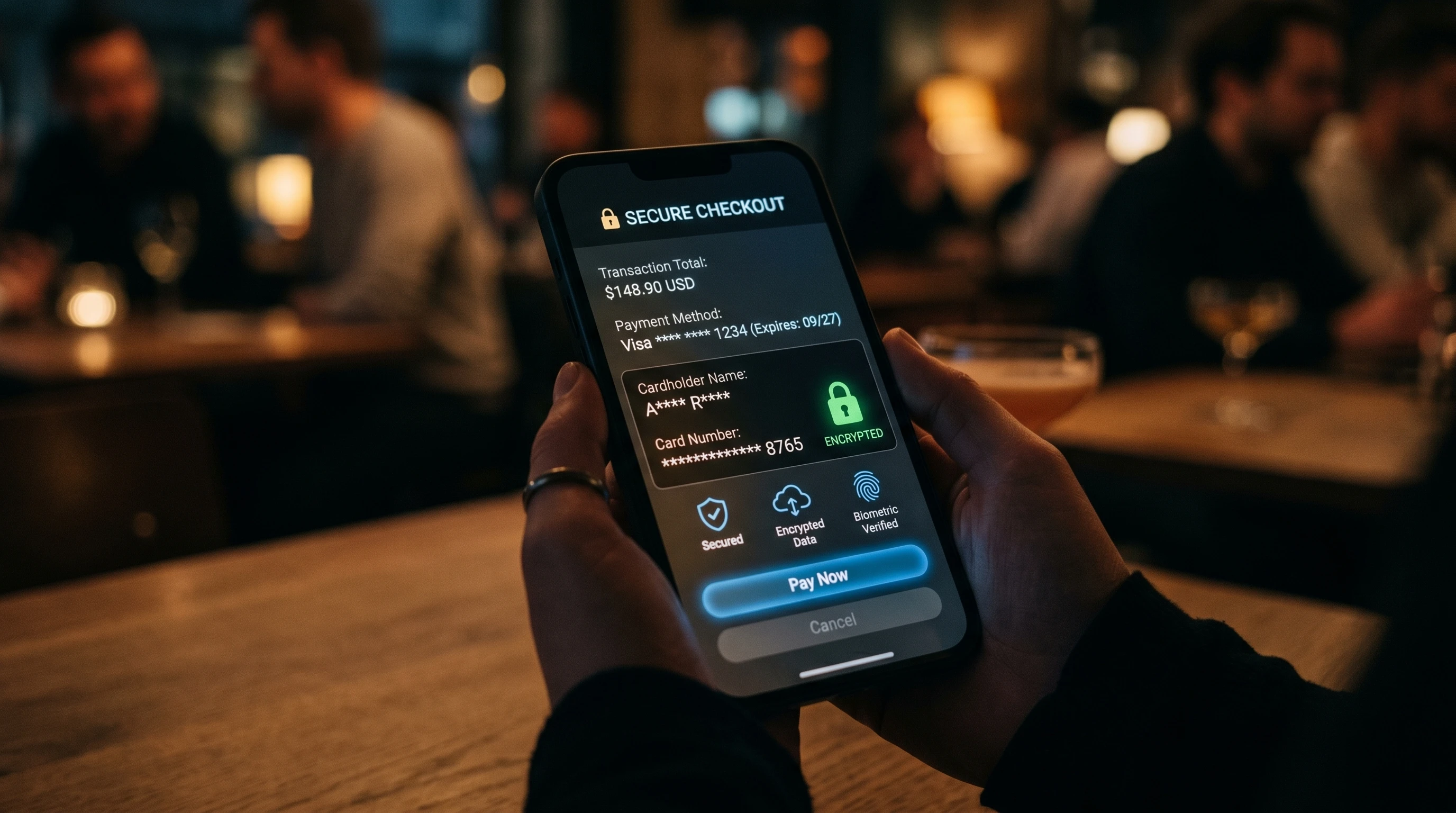
Why Discreet Payments Matter for Online Services
Online connections and virtual sessions can offer an amazing experience, but only if privacy is left untouched. Whether you want to avoid awkward credit card statements or simply prefer to keep personal time personal, understanding the available discreet payment options will save headaches down the road. For someone serving a Queen like Me, discretion is just another way of showing the proper respect.
Standard payment methods often pop up on bank statements or trigger notifications, which isn’t ideal for the more private things in life. Luckily, stepping beyond PayPal or standard credit cards opens a world of options that keep financial details safer and private.
Reputation plays a big role here as well. Knowing your payment will stay between you and Me builds the trust that makes O/our sessions even better. I always advise making use of methods that offer a little more privacy so there are no surprises later.
5 Main Types of Discreet Payment Methods
I’ve worked with all sorts of clever payment solutions, so here are the most popular and reliable ways to handle discreet transactions online. Each option has pros and cons, but with a little care, you’ll easily find what works best.
- Cryptocurrency
- Gift Cards
- Prepaid Debit Cards
- Third Party Payment Gateways
- Cash App/Cash Transfers
How Cryptocurrency Makes Payments More Private
Bitcoin, Ethereum, and other cryptocurrencies topped My list for discreet payments, especially for those who want to avoid banks or credit card companies. With crypto, privacy depends on how you handle your wallet setup and whether you use a reputable exchange. The payment is direct; no one needs to know where you spent your coins except Me and you.
Keep in mind, crypto transactions show up on public blockchains, but because wallets don’t list personal names, that info stays separate from your real identity. Using privacy coins, like Monero or Zcash, takes things a step further by hiding transaction amounts and addresses entirely. For those who like tech and want a low profile, crypto is a useful choice that can make things extra smooth.
- Setup Tips: Always use a private wallet and never mix personal exchange info with wallet addresses you use for play.
- Drawbacks: Crypto values can switch up quickly, so make sure to double-check the price before sending.
Gift Cards: Anonymous and Convenient
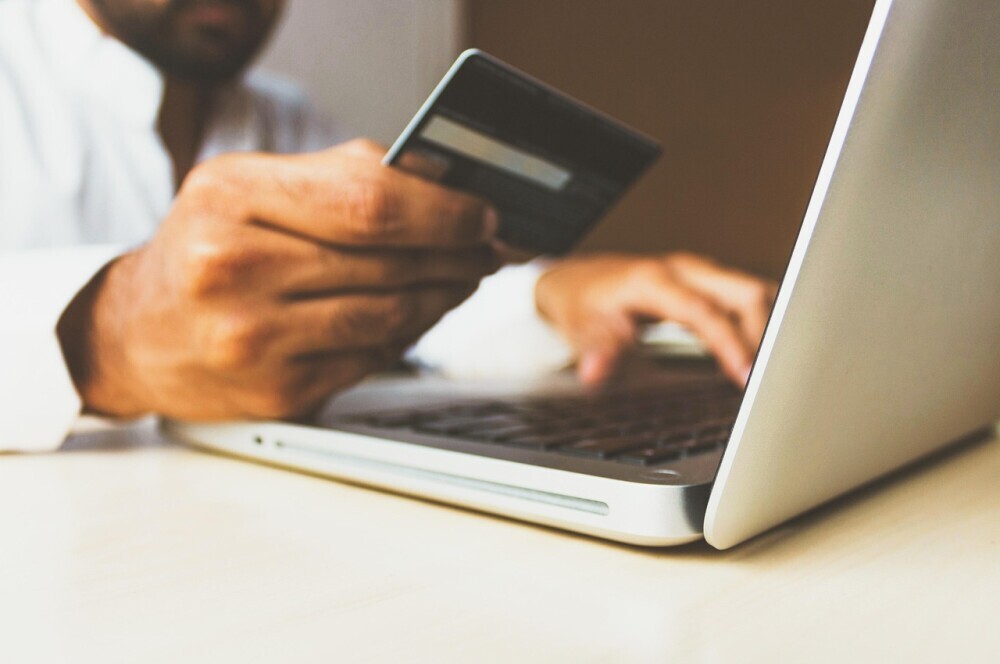 Some of My favorite gifts? Amazon, Vanilla Visa, and other generic store gift cards. You can buy these just about anywhere, pay with cash, and deliver the redemption details online without ever using your real name. Most cards don’t even require registration, which is great for privacy.
Gift cards are especially great for tributes or small session fees. If you like surprises or want to give extra by showing initiative, sending a card with no trace on your regular accounts is a solid move. Loyal subs have sent these over the years, and they always arrive safely and anonymously.
- Pro Tip: Always snap a clear photo of the front and back and confirm the value to avoid delays.
- Watch Out: Some online retailers limit the use of gift cards for certain types of purchases, so check before you buy.
Prepaid Debit Cards for Complete Privacy
Prepaid debit cards fit right in between gift cards and regular cards. You can buy one with cash at most big box stores, load it up, and use it just like a normal debit card. There’s no name attached, so these cards are handy for people who want freedom to spend without a paper trail connecting back to your checking or savings account.
Cards like Green Dot or Bluebird are good choices for all sorts of online payments. Just enter the card number at checkout and skip revealing your identity. These cards often come with small fees, but that’s a tradeoff for solid privacy. I’ve found them to be a reliable solution, especially for clients who want to keep things under wraps.
Third Party Payment Gateways: The Ups and Downs
There are some payment platforms that add an extra level of privacy for buyers and sellers. For example, Paxum, Privacy.com, or even certain setups using Google Pay or Apple Pay can add a useful buffer between your main bank and whatever dealings you’re up to with Me.
Privacy.com is a pretty nifty tool; it lets you generate virtual cards with custom spending limits, merchant locks, and even single-use numbers. If worried about oversharing bank info or a site saving your card details, you can stop transactions with a click. Having tested these Myself, they’re especially good if you want maximum control over payments.
These services work well for one-off transactions or recurring tributes, creating a layer between your identity and your payment activity. Not all services are accepted everywhere, so double-check what’s possible before sending your devotion.
Cash App and Direct Money Transfers
Some platforms, like Cash App, Venmo (in private mode), and even Zelle (with care), can be set up with pseudonyms or business profiles. These are super popular because the transfer is instant and the record can be kept pretty private if you’re careful.
Many subs prefer to use Cash App since it doesn’t show a breakdown of purchases, and you can even make your username nondescript. While not as anonymous as cold cash, it’s quite close and moves fast. Venmo offers a privacy setting to keep transactions off your public feed; it’s easy to overlook but worth using. Watch out for fees if moving money from credit cards, though.
- Advice: Use a new email and a phone number not linked to your real identity for extra privacy.
Common Problems and Quick Fixes
 Privacy is worth the effort, but sometimes things can glitch with discreet payments. Here are some common issues and how you can handle them smoothly:
- Payment Declines: Prepaid cards and gift cards sometimes get blocked if they aren’t activated or registered. Always check card instructions before using.
- Value Discrepancy: Crypto is famous for value swings—always agree ahead of time on the amount expected and double-check your math.
- Processing Delays: Some e-wallets or gateways hold funds for review, which can delay access. Plan payments a little ahead to avoid frustration.
- Redemption Issues: With gift cards, always confirm the retailer supports card-not-present online purchases.
Security and Safety Tips for Discreet Payments
My priorities include keeping your secrets as much as keeping My own. That means encouraging My clients to use secured internet connections and strong passwords for all payment apps. Never share screenshots or transaction details with anyone except Me. If a service lets you, use a PIN or two-factor authentication for extra security.
How to Choose the Right Discreet Payment Method
The best solution depends on your comfort level with tech, the amount you want to spend, and your own privacy needs. Here are some pointers I suggest to My followers:
- If you like total anonymity: Stick with prepaid gift cards or privacy-focused cryptocurrencies.
- If you want speed and flexibility: Cash App, Venmo, and prepaid debit cards are quick and easy.
- If you need extra card controls: Privacy.com provides a way to manage every detail.
Sometimes, switching things up can keep your accounts tidier and help avoid routine. Let Me know ahead of time what you’re planning to use, and I’ll make things as smooth as possible for you.
Frequently Asked Questions
Questions about discreet payments come up all the time. These are the things My clients ask the most.
Question: Is cryptocurrency safe for paying online services?
Answer: Crypto is safe if you use reputable wallets and never share your private keys. It’s also very private if you stick with privacy coins or fresh wallets for every transaction.
Question: What’s the easiest payment method if I don’t know much about tech?
Answer: Prepaid debit cards and gift cards are the friendliest for beginners. Just buy one with cash, load it, and you’re ready to worship properly, no tech skills needed.
Question: Will my name ever appear on your bank or payment records?
Answer: Not if you use prepaid, gift cards, or privacy-focused methods. Regular credit card payments might show up, so I always recommend sticking to the options above.
Question: What if I want to use my own preferred payment app?
Answer: Just ask Me first and see if it’s acceptable. If privacy matters, always double-check the account settings or switch to a different method for extra protection.
Choosing Discreet Payments Is Smart, and a Sign of Respect
In My world, privacy is a prized gift. Exploring the right discreet payment options shows careful thought and respect for the dynamic we share. Each method has its quirks, but with a little preparation, handling payments privately is straightforward. My advice is to never settle for whatever is easiest for the banks; choose what keeps you and Me safe and satisfied, every time.
If you want to share in the comments section below, what’s your favorite discrete method of payment?